
A Year on the North Norfolk Coast
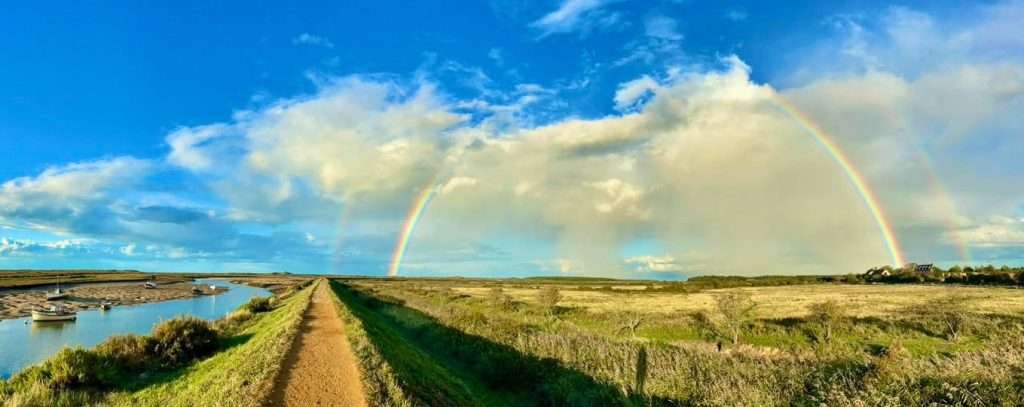
Spring arrives incrementally on the North Norfolk coast. Daffodils appear in the lanes by mid-March. The first migrants — wheatears, sand martins — arrive along the coast. The pink-footed geese make their final departures for Iceland. By April, the events programme is building, and by May the coast is in full stride.
Houghton Hall — Tulips and Sculptures
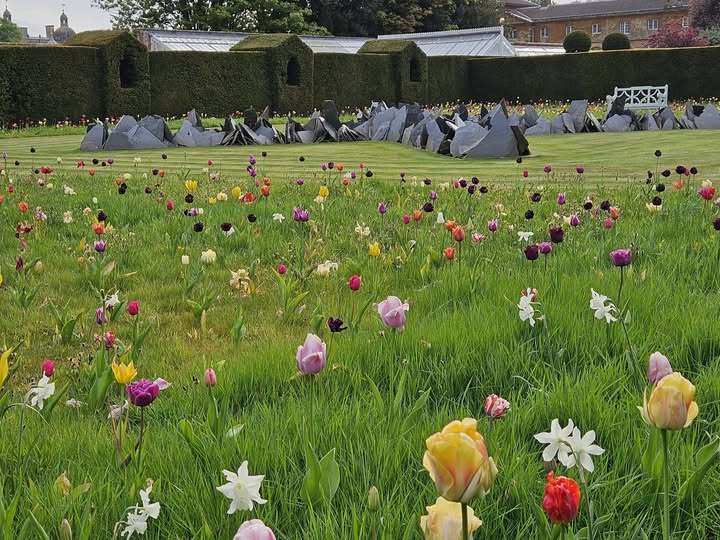
This year, the Houghton Hall Tulip Spectacular (11 April – 4 May) fills the Walled Garden with 25,000 tulips — it is one of the highlights of the North Norfolk spring, only 25 minutes from Brancaster Staithe. On 2 May, the Lynn Chadwick sculpture exhibition opens in the house, gardens and parkland, showcasing more than 30 works spanning four decades. It is the largest
UK showing of Chadwick’s work in more than two decades, and it runs through to 4 October. The two events overlap on the May Bank Holiday weekend, making 2–4 May a particularly good time to visit. Check the Events Calendar for opening times.
May — The Events Calendar Fills Up
May is one of the busiest months on the events calendar. This year, the Sandringham Food, Craft & Wood Show fills the Bank Holiday weekend (2–4 May). The White Horse Seafood Festival runs from 8–10 May in the Marshside Marquee — three days of Brancaster oysters, lobsters, crabs and shellfish with views across to Scolt Head Island. The North Norfolk Music
Festival brings world-class performances to South Creake Church (13–17 May). The Hanse Festival and the Sandringham Pageant of Motoring both take place on 24 May. The Brancaster Staithe Sea Shanty Festival Fundraiser closes the month on 30–31 May.
Spring Wildlife
March is a month of movement. The last pink-footed geese depart in flocks. The first wheatears appear on the shingle. At Titchwell, the avocets return to the reserve. By May, terns —Common, Arctic and Little — are establishing colonies on Scolt Head Island, and the warblers are in full voice along the reedbeds. The seals remain in Titchwell Creek, accessible from the Brancaster Beach car park.
Walking in Spring
The coast path is in its best condition in spring — firm underfoot, the vegetation beginning to soften the edges but not yet high enough to obscure the views. The walk from Brancaster Staithe to Wells-next-the-Sea via Burnham Overy Staithe is 10 miles one way; the Coasthopper bus makes the return practical. From May, the Welcome Ferry begins its seasonal run between Burnham Overy Staithe and Scolt Head Island, opening up one of the best full-day walks on this stretch of coast if you like isolated beaches.
The Burnham Market Horse Trials
The Burnham Market International Horse Trials (17–19 April) is one of the major spring events, bringing international-level dressage, showjumping and cross-country to the village just ten minutes from Brancaster Staithe.
Summer — June, July, August
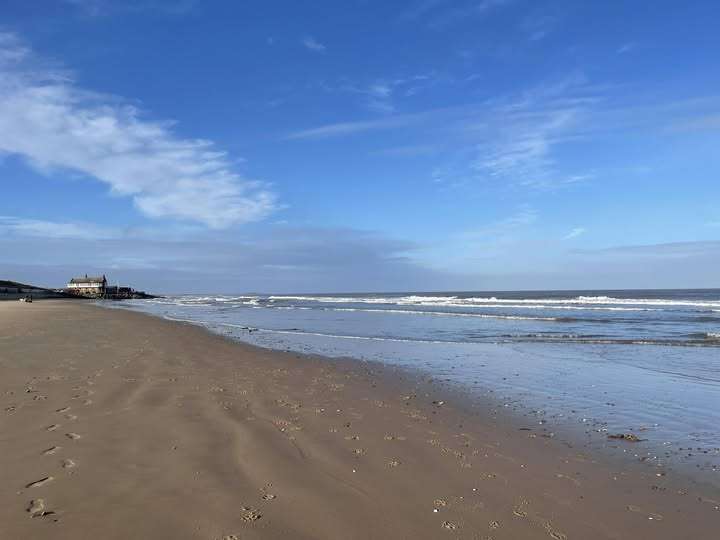
Summer on the North Norfolk coast is about light and space. The days are at their longest in June, the sea temperature peaks in August, and Brancaster Beach — nearly four miles of sand, backed by dunes — absorbs even the busiest summer days without feeling crowded. The evenings at the White Horse Marshside, watching the tide flood in across the marsh as the sun drops, are as good as it gets in this country.
The Beach
Brancaster Beach is the defining feature of a summer stay. It is accessible on foot from the apartments across the harbour — a walk of around 20 minutes at low tide. The beach is wide and the dunes give shelter. The water quality is consistently good, and the beach carries the Blue Flag designation in most years. At low tide, the water retreats to leave a broad expanse of
sand that is popular with families. Kite flying, swimming, long walks: it accommodates all of them.
** Please note that although the beach is accessible across the harbour at low tide, it definitely isn’t at high tide and it is a much longer walk from the apartments via Brancaster. We suggest you seek directions if attempting the low tide route.
Sea Lavender on the Marsh
From late June, sea lavender begins to flower across the saltmarsh between Brancaster Staithe and Scolt Head Island, turning it a muted purple that persists through July. From a distance, particularly at high tide when the water catches the light, the effect is considerable. It is one of the most distinctive sights on this stretch of coast.
On the Water
The calm creeks and sheltered channels around Brancaster Staithe are well suited to paddlesports. Stand-up paddleboards can be hired locally in the summer. Sailing, rowing and kayaking are all active on the water. If this is of interest we can help you source suppliers willing to assist.
Summer Events
June opens with the annual Jolly Ale & Music Festival at the Jolly Sailors (12–14 June). The Hunstanton Carnival follows on 19–21 June, and the White Horse Paella & Ibiza Classic closes the month on 27–28 June.
July’s calendar is full. The King’s Lynn Festival — a world-class celebration of music and arts since 1951 — runs from 13–26 July. The RHS Sandringham Flower Show arrives for the first time on 22–26 July. The White Horse Lobster BBQ (10–12 July) and the Lobster & Fizz Fest (24–26 July) bookend the month for seafood lovers. Wells Carnival begins on 31 July.
August brings the Houghton Festival to the grounds of Houghton Hall (6–9 August).
The White Horse Oyster Festival runs from 12–16 August in the Marshside Marquee. Heritage Live presents Eric Clapton & Special Guests at Sandringham on 23 August. The End of Summer BBQ at the White Horse on 28 August rounds off the season.
Summer Wildlife
The tern colonies on Scolt Head Island are at their peak in July. Crabbing from the quay at Brancaster Staithe is a reliable way to spend a morning. The seals remain in Titchwell Creek throughout the summer. From mid-August, the autumn wader movement begins at RSPB Titchwell and Snettisham— green sandpipers, wood sandpipers, little stints, and the first curlew
sandpipers of the autumn.
Walking in Summer
The best summer walks are early in the morning or in the evening, before and after the heat of the day. The coast path from Brancaster Staithe to Holkham takes in the full sweep of this landscape — pine trees, dunes, saltmarsh, and open sky — in under five hours at a comfortable pace. Wells-next-the-Sea, ten minutes east by bus or car, is worth visiting for the beach huts, the harbour, and the miniature railway from the quay to the beach.
Autumn is, by some margin, the best-kept secret on the North Norfolk coast. The school holidays are over, the sea is warm, the light turns gold, and the wildlife watching builds towards some of the most spectacular events in the English natural calendar. If you have not visited in autumn, it is worth making the journey.
The Snettisham Wader Roost
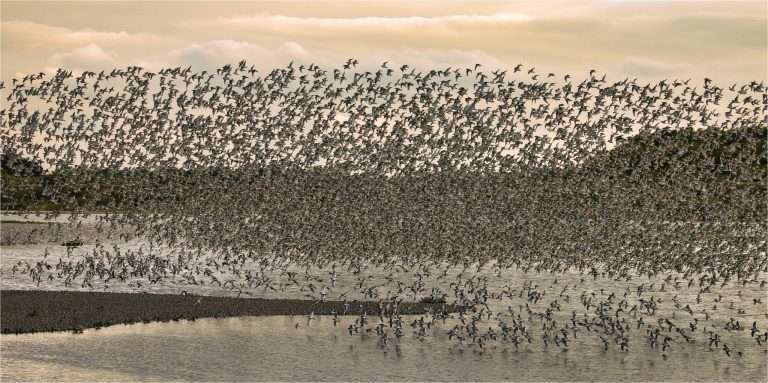
The wader roost at Snettisham, on The Wash west of Brancaster Staithe, is one of the most remarkable wildlife events in England. At high tide, enormous numbers of waders — principally knots, but also dunlin, bar-tailed godwits and oystercatchers — lift off and move inland in dense flocks that twist and turn above the lagoons in something close to a murmuration. The RSPB publishes guided roost event dates on their website, and these are the surest way to see it at its best. Snettisham is approximately 20 minutes from Brancaster Staithe.
The Return of the Geese
From late-September, pink-footed geese begin arriving from Iceland and Greenland. By the end of the month, the sound of their calls is audible from the apartments on calm evenings. The geese roost in large numbers between Brancaster and Holkham, and watching the dawn departure from the coast path is one of the experiences that visitors return to this coast to repeat. Numbers build through November to a peak that can exceed 200,000 birds.
Autumn Events
September’s events calendar reflects the richness of the month. The North Norfolk Food & Drink Festival takes place in the Walled Garden at Holkham Hall on 5–6 September. The Brancaster Staithe Sea Shanty Festival — the main event, following the May fundraiser — runs from 11–13 September. The Sandringham Game & Country Fair (12–13 September) and the Deepdale
Festival at Burnham Deepdale (24–27 September) round out the month. In October, the White Horse Mussel Festival (21–25 October) celebrates Norfolk’s original mussel season. By November, the Thursford Christmas Spectacular opens its run (from 10 November), and the coast settles into winter.
Autumn Wildlife
Titchwell in September is arguably at its best. Autumn wader diversity peaks — species that pass through without stopping in spring return more slowly and linger. Marsh harriers are highly visible, hunting low over the reed beds. Barn owls become increasingly active through the short days of November, sometimes hunting in daylight along the field edges between Brancaster and Burnham Overy. The winter thrushes — fieldfares and redwings — move through the
hedgerows in good numbers.
Walking in Autumn
Autumn walking has a quality that is hard to replicate at other times of year. The paths are not crowded, the views are clear, and the landscape is shifting. The golden hour before sunset comes earlier each week and the harbour walk at Brancaster Staithe is at its most dramatic, with strong tides, autumn light and geese overhead. Barrow Common above the village gives
wide views across the marsh to Scolt Head Island and beyond, including the Lincolnshire coast on a clear day.
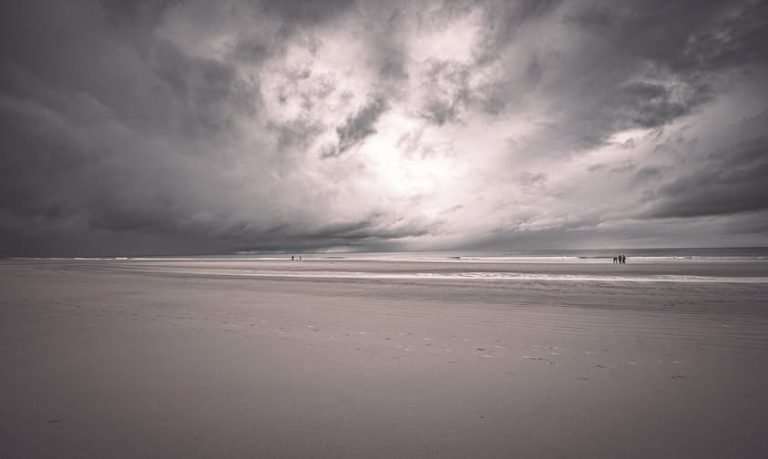
Winter on the North Norfolk coast is an experience that only a handful of visitors know, and most of them come back. The beaches at Holkham and Brancaster are empty — truly empty, not just quieter than August. The air is cold and clean. The light on a good winter day has a quality that summer never quite achieves: low-angled, precise, and particularly flattering to
water and marsh. Brancaster Staithe in winter feels like a well-kept secret.
The Pink-Footed Geese
The defining wildlife event of winter is the pink-footed goose roost from Brancaster to Holkham. Up to 200,000 geese — having spent the summer breeding in Iceland and Greenland — arrive from late-September and build to a peak in November and December. Many roost on the open beach overnight, safe from predators, while others prefer the managed fresh water marshes.
They leave at dawn in long, noisy skeins that rise above the sea and head inland to feed on harvested sugar beet and potato fields. Watching the dawn departure from the paths along this part of the coast is one of the most remarkable wildlife experiences in England, and it requires nothing more than warm clothes and an early alarm. The geese remain through January, though numbers diminish as birds begin to depart for their breeding grounds.
Stargazing and Dark Skies
The North Norfolk coast is one of the least light-polluted stretches of eastern England. December, with its long nights and low humidity, offers the best conditions for stargazing. The Milky Way is often visible from Brancaster Beach. No specialist equipment is needed, though binoculars improve the experience.
Snowdrops and the First Signs of Spring
February brings the snowdrops. Walsingham, 20 minutes inland from Brancaster Staithe, has one of the better snowdrop displays in Norfolk, peaking around mid-month. Lexham Hall, further south, opens its mature woodland grounds for the season too. Both are worth the drive. By late February, the first summer migrants such as wheatears may appear on the coast and the geese are forming pre-migration flocks — the skeins can be spectacular in the weeks before departure.
Walking in Winter
Winter walking requires proper clothing, but the rewards are considerable. The beaches are wide and deserted. The paths are firm underfoot. The harbours and channels around Burnham Overy Staithe and Brancaster Staithe are at their most atmospheric on still, clear mornings when the reflections are undisturbed. A December sunrise at Burnham Overy Staithe — frost on the ground, mist over the water — is one of the most remarkable things this coast produces.
Winter Wildlife
Barn owls are regularly seen along the field edges and verges between Brancaster Staithe and Burnham Overy — the short daylight hours mean they are often visible before dusk. Bitterns are resident at Titchwell through the winter; patient visitors are regularly rewarded. Bearded tits become more visible as the reed beds thin. The seals in Titchwell Creek are accessible year-
round, and winter is a quiet time to see them without the summer crowds.
Winter Events
The Thursford Christmas Spectacular runs from mid November through to just before Christmas
a major theatrical production and a Norfolk institution for decades. Tickets sell out well in advance. Beyond Thursford, winter on the coast is refreshingly free of organised events. The Jolly Sailors, 100 metres from the apartments, is open through the season, with Nelson’s Shantymen performing traditional maritime songs every Monday evening.
Planning Your Visit
Both apartments at Brancaster Stays are available to book directly through our website, where you will always find our best rates. The apartments are less than 100 metres from the Jolly Sailors and a short walk from the harbour, the coast path, and the marsh. For a full and up-to-date list of what’s on during your stay, visit our Events Calendar.
For more information on what to do, visit our Online Guide.If you have any questions about the area or the apartments, please do not hesitate to get in touch.
Thomas and Jude
Brancaster Stays