
Birdwatching & Wildlife
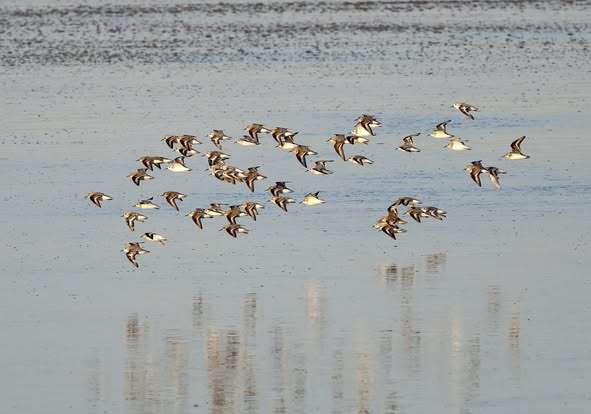
The North Norfolk coast between Thornham and Wells-next-the-Sea is one of the most important stretches of coastline for birds in Europe. This is not a marketing claim — it is why the RSPB, the Norfolk Wildlife Trust, and the National Trust all manage reserves within a few miles of Brancaster Staithe. If you have even a passing interest in wildlife, you will find something worth watching here in every month of the year.
On Your Doorstep
The North Norfolk coast between Thornham and Wells-next-the-Sea is one of the most important stretches of coastline for birds in Europe. This is not a marketing claim — it is why the RSPB, the Norfolk Wildlife Trust, and the National Trust all manage reserves within a few miles of Brancaster Staithe. If you have even a passing interest in wildlife, you will find something worth watching here in every month of the year.
Barrow Common is good for woodland and heathland birds — green woodpecker, yellowhammer, and linnet are regular here. In spring and summer, turtle doves and skylarks are overhead almost constantly.
Scolt Head Island, accessible by wading at low tide or by seasonal ferry from Burnham Overy Staithe, is a Nature Reserve. It supports one of the largest tern colonies on the east coast — Sandwich terns, common terns, and little terns breed here between May and August. Access to the nesting areas is restricted during the breeding season, but you can walk towards the western end of the island and watch the colony from a respectful distance.
Nearby Reserves
RSPB Titchwell Marsh is four miles west, towards Thornham. It is the flagship reserve on this coast and one of the best-known birdwatching sites in the country. The reserve has hides overlooking freshwater and saltwater lagoons, reedbeds, and the beach. Marsh harriers are visible from the main path on most visits. Avocets breed on the scrapes in spring. In autumn and winter, the variety of wildfowl and waders on the lagoons is considerable. There are a good visitor centre and a cafe.
Holkham National Nature Reserve, about six miles east via Burnham Overy Staithe, covers a vast area of pine woods, dunes, and grazing marshes. In winter, large flocks of pink-footed geese use the marshes and surrounding farmland the sight and sound of several thousand geese coming in to roost at dusk is one of the defining wildlife experiences of this coast. Egyptian geese, a now-established Norfolk speciality, are common here year-round.
The apartments are almost equidistant between Snettisham in the west and Cley in the east, two of the better-known RSPB reserves in Norfolk. Lesser known is the Hawk and Owl Trust at Sculthorpe near Fakenham which includes a beaver area.
We must also mention Wild Ken Hill which featured on the BBC Spring Watch and is close to Snettisham as it too has a beaver area.
Through the Seasons
Spring (March–May): Migrant waders and songbirds return. Avocets arrive at Titchwell. Tern colonies establish on Scolt Head. Marsh harriers are displaying. The first swallows and house martins appear in April.
Summer (June–August): The breeding season. Terns are active on Scolt Head. Little egrets — once a rarity in Norfolk, now established — are visible along the creeks. Early wader passage begins in July as returning migrants start to appear on the scrapes.
Autumn (September–November): Migration peaks. Pink-footed geese arrive from Iceland in large skeins, often audible before they are visible. Wader numbers build on the marshes. Rarer migrants — sometimes including species blown off course from Siberia or North America — turn up along the coast, drawing birdwatchers from across the country.
Winter (December–February): Brent geese and wigeon are on every marsh and field Shore larks and snow buntings can sometimes be found on the beaches. Barn owls hunt the field edges at dusk. Short-eared owls quarter the marshes. The coast is at its quietest and, for many birdwatchers, at its best.
Beyond Birds
Common seals haul out on the sandbanks off Titchwell Creek, accessible from BrancasterBeach or Titchwell Reserve. Grey seals are present too, particularly in winter — the colony at Horsey, further east, is one of the largest in England, but greys are regularly seen from this stretch of coast.
Chinese water deer, muntjac, and roe deer are all present in the woods and farmland behind the coast. Hares are common on the open fields, particularly noticeable in early spring. On warm summer evenings, noctule bats hunt over the marshes.
For more detail on what to see month by month, including specific events and seasonal highlights, see our Year on the North Norfolk Coast page.